Even with Pepsi distribution, energy drink Celsius keeps its focus on gyms and in-person events to acquire customers, Chief Brand Officer Kyle Watson says.
Energy drink brand Celsius has always focused on distributing its product at gyms and fitness studios, and the brand has no plans to deviate from its target position as the energy drink that fuels a fit lifestyle, said Chief Brand Officer Kyle Watson.
“Fitness has been in our DNA from the beginning,” Watson said.
The strategy has served the 22-year-old brand well as it generates billions of dollars in annual retail sales, is publicly traded, has several brands in its portfolio including Alani Nu and Rockstar Energy, and works with CPG giant PepsiCo on distribution.
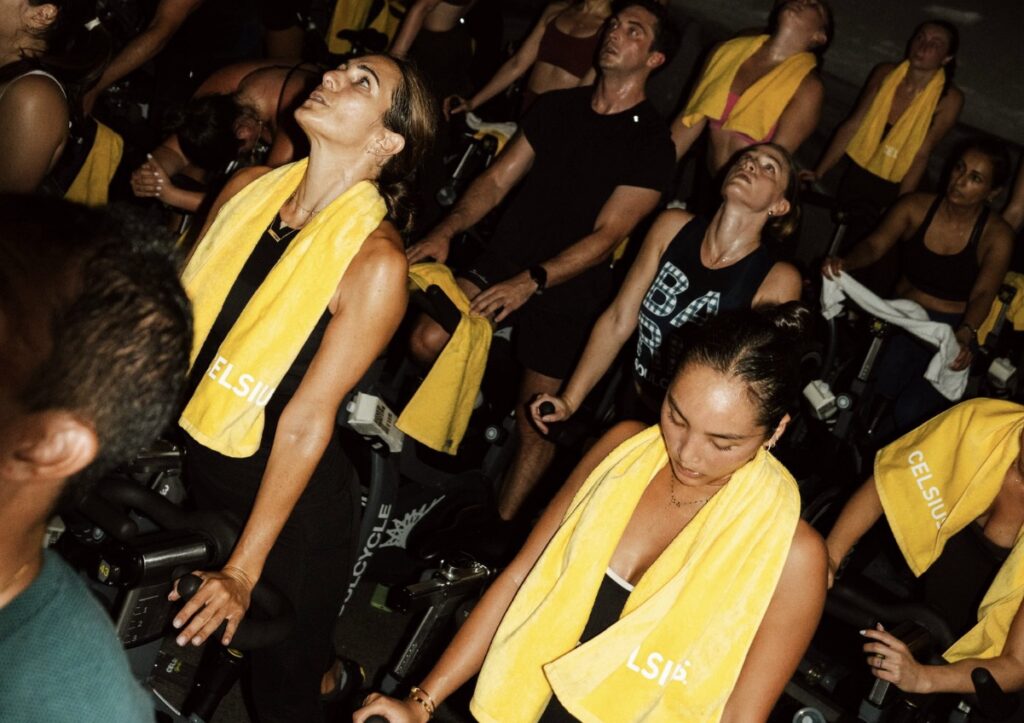
To that end, Celsius recently announced spinning studio SoulCycle will now sell its beverages. The brand also sells at chain fitness studios Barry’s, Orangetheory and Crunch Fitness, among others.
“This is something that we want to be at the center of because it’s truly our brand ethos and it is where our communities are living fit,” Watson said.
This fitness-focused strategy is a departure from what traditional energy drinks have done, which is an emphasis on action sports and impulse purchases of single cans in convenience stores, she said.
Emotionally Connecting With Consumers
By continuing to go after gyms, Celsius is reiterating its brand positioning and inserting its brand into the fitness community.
“The most important part about fitness a lot of times is the communities and coming together in real life,” Watson said. “It’s important when you bring people that all have similar goals and our brand is there and being part of the entire experience.”
This allows Celsius to build an emotional connection with customers, which is key to long-term growth, Watson said.
“Creating that connection does drive loyalty. It does bring new consumers into the brand,” she said.
Celsius launching in a new gym like SoulCycle does acquire new customers, Watson said, but the tracking is tough. The brand is not looking to see how one purchase from a specific customer at a SoulCycle directly links to that person purchasing more. Instead, the brand measures if overall sales increase and if that purchase leads to a ritual — meaning that one-time purchase eventually becomes a customer buying in bulk, which Celsius can track in mass merchants, Amazon and other ecommerce stores.
“What we’re seeing is that as new consumers come into the category, they’re not just trying it and then drinking it sporadically, they’re trying it and then they’re bringing it into their daily routines,” she said.
Expanding the usage occasion is another piece — not just having customers drink the product before a workout, but at other times of day.
In-Person Events Are ‘Critical’ Marketing Piece
Another key to connecting emotionally with consumers is events and in-person activations, Watson said. Events are one of the biggest operational parts of the Celsius organization, she said, with activations including sponsorship of Formula One team Aston Martin Aramco and Celsius’ recently announced sponsorship of ESPN’s College GameDay.
“We’re always looking at what’s happening in culture and how does our brand bring pieces of that to life,” Watson said. “The emotional connection that brands can establish with consumers in real life is more valuable than a lot of times touching them digitally.”
As Celsius has gotten larger, the number of events has increased. The brand continues to dedicate more resources to events and grow that area of its business every year, she said. Key performance indicators for events are shifting — sometimes toward impressions, other times toward social reach, and others for a number of quality interactions at the event.
“Events are something that we’ve never had to really question the value of,” she said.
Marketing Needs To Keep Up As New Challengers Emerge
Since Celsius launched in 2004, many other better-for-you energy drink brands have come into the category that are “doing an incredible job,” Watson said. And while Celsius isn’t a challenger brand anymore, it needs to ensure it protects the spaces it already owns, she said.
“Yes, we have Pepsi distribution, but that is actually a challenge in itself,” Watson said. “We have all this distribution, but we need to make sure that we keep top of mind with consumers, especially as we see all these other brands coming into our space.”
Sampling is another crucial piece of brand marketing because, in short, it works, Watson said.
“No matter how big you are, liquid to lips is so important,” she said. “We have data. We see 75% of people that try our product buy it.”
Celsius especially finds sampling important as its flavor profile is more “fruit forward” than other energy drinks, she said.
Watson said being in-office and having in-person brainstorms with multiple departments including the social team and events team also helps to keep Celsius fresh and on top of current trends and aware of newcomer brands.
Watson led marketing at Celsius starting in 2019, before the brand promoted her to Chief Brand Officer one year ago, in September 2025. Prior to Celsius, she held executive marketing positions at Onli Beverages and Hiball.