More than half of millennial and Gen Z Americans trust manifestation practices more than compound interest as a way of building wealth, according to the Harris Poll, and 41% would consider hiring astrologers, witches or other such practitioners to help them make life decisions.
While those numbers grab attention in and of themselves, “the real story behind them is that we lost faith in institutions, in linear ways to get ahead,” says Libby Rodney, Chief Strategy Officer, the Harris Poll. Many younger consumers find that studying hard, working diligently and spending frugally as a means to prosperity no longer works, so they’re seeking alternatives. “If your brand stands for logic or linear thinking, it is not going to hit these young consumers the way it might have worked in the past, because they don’t believe you.”
This “logic vs. lottery” dichotomy is one of three cultural shifts that the Harris Poll looks at in its report “The Age of Dissonance.” To appeal to those with the lottery mindset, Rodney suggests taking a playful and participatory approach. “Ask, what are the opportunities to make people feel they have a chance to win in this economy?” she says. Contests with a fairly low barrier to entry are one way to do so. Another is offering unexpected perks or bonuses — a delivery upgrade, say, or a discount outside of traditional promotional periods; these give customers an unexpected win as well as help a brand to differentiate itself with generosity. “Consumers just don’t think brands are generous anymore,” Rodney says.
Beyond the Beige
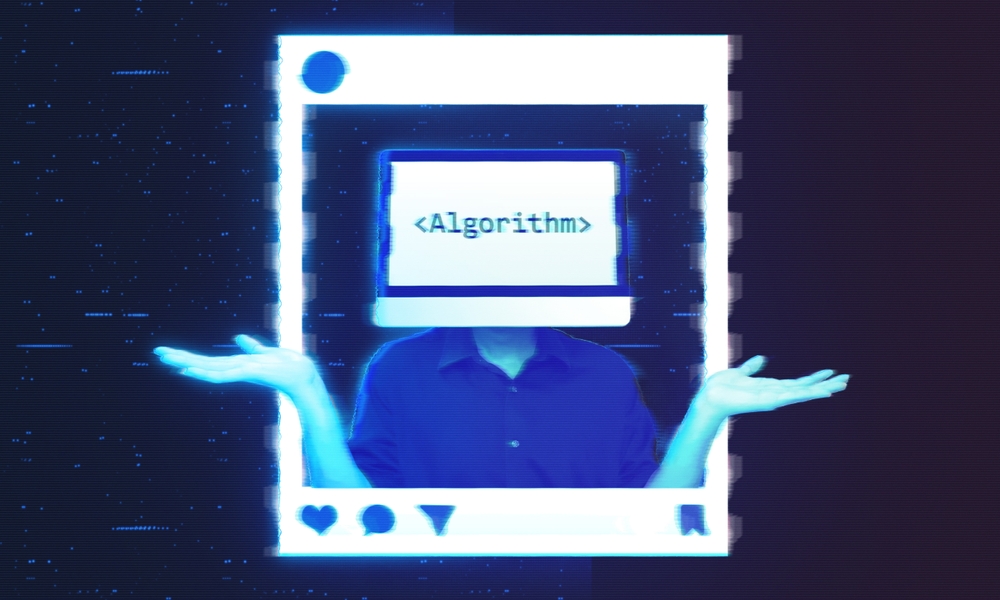
Another cultural shift finds consumers rebelling against the “beigeification” created by repetitive, omnipresent digital media and social algorithms. For instance, a Preferred Travel Group-Harris Poll study found that 80% of adults believe Instagram has created a “copy-and-paste” effect in even luxury travel, which traditionally prided itself on differentiation, and 72% won’t pay for homogenous luxury accommodations.
Some brands are leaning into what the Harris Poll dubs “purposeful weirdness” to break out from the beige. The Dada-esque Nutter Butter social accounts and Duolingo’s posts playing up the chaotic character of its owl mascot are just two examples.
Real-life experiences can also help brands combat digital beigeification. The report notes that 77% of millennials and Gen Z have planned a trip around visiting a brand in person, and 76% say the best social media trends are those that have a real-life counterpart, such as viral dance challenges and sports and concert fan rituals.
Even print catalogs, once considered obsolete in the face of digital media, enables brands to connect with consumers in a tangible, analog way — and not just with older consumers. A Quad-Harris Poll found that 79% of millennials look forward to receiving print catalogs, and 64% of Gen Z hold onto them as decor or inspiration.
As consumers grow tired of social feeds filled with lookalike posts and distrustful of AI-enhanced videos, “they’ll push back against all these screens,” Rodney says. “Once we stop trusting what we see, being in real physical spaces, and human desire to create real things and real connections, will be more important.”
The AI Paradox
AI’s contribution to mistrust of digital media is only part of the third cultural dichotomy, which sees consumers both optimistic about and threatened by the technology. The threat component primarily concerns economic stability; 60% of employed adults — including 65% of Gen Z — fear AI will make them obsolete in the workforce. Nearly the same percentage of Gen Z, 63%, believe that being able to direct AI rather than competing with it is critical to future success.
When it comes to directing the technology, many members of Gen Z are open to leveraging AI agents to assist with purchases. Given access to an AI agent personalized with their preferences, budgets and tastes, 58% would grant it full or partial control of selecting airfares, 55% household goods, 50% beauty and skincare, and 48% apparel. Already Expedia and Booking.com are using OpenAI so that consumers can personalize AI agents — “an app within an app,” Rodney says.
The key, according to the report, is to promote AI as an empowerment tool. Don’t force it on consumers or use it to create “perfect” creative that’s both unbelievable and boring. Nor should a brand sacrifice the human element of its experience, analog or digital, for efficiency.
“Really evaluate your consumer journey cycle: Where do you want AI? Where do you use humans?” Rodney says. “If you try to “over-efficiencize” you’ll feel like another algorithm brand.