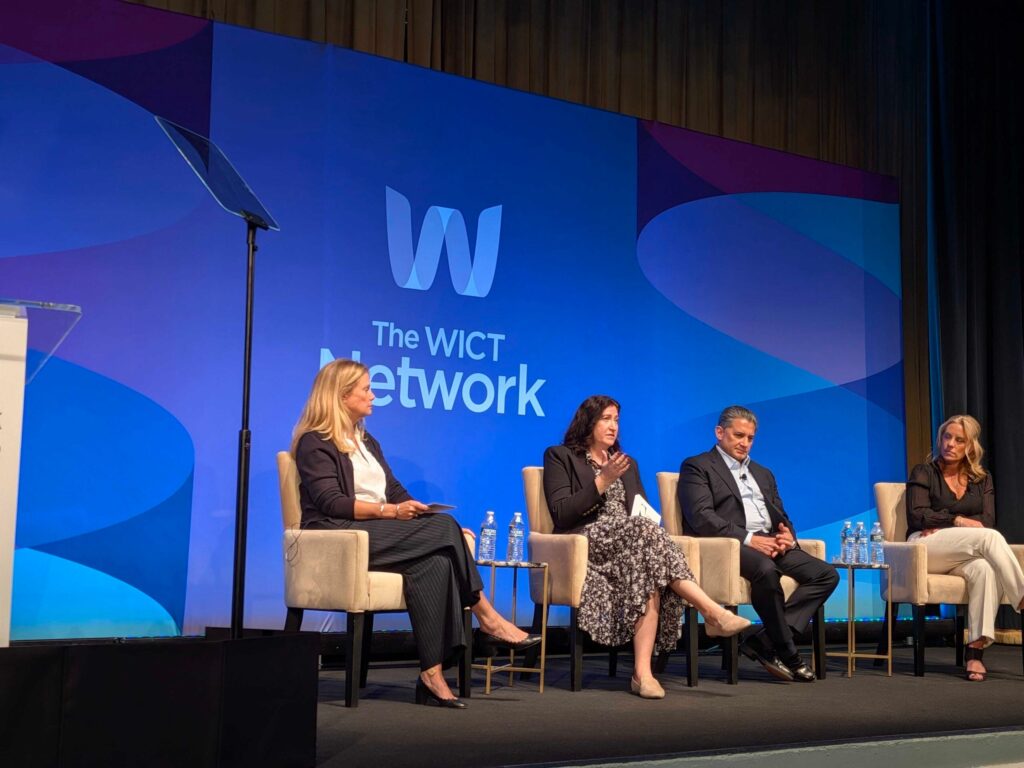
The Association of National Advertisers awarded Target with the In-House Agency of the Year award at its In-House Excellence Awards in June.
The ANA evaluated brands in the areas of creativity, strategy and effectiveness. In addition, brands had to share details on their culture, business impact and accomplishments in the past year.
Chief Marketer caught up with Target’s VP of Creative Scott Swartz about the honor in the below Q&A. Swartz has more than 20 years of experience at Target with the past decade in his current role.
Chief Marketer: Congratulations on this award. Can you share some highlights that you think got Target to the top of the list?
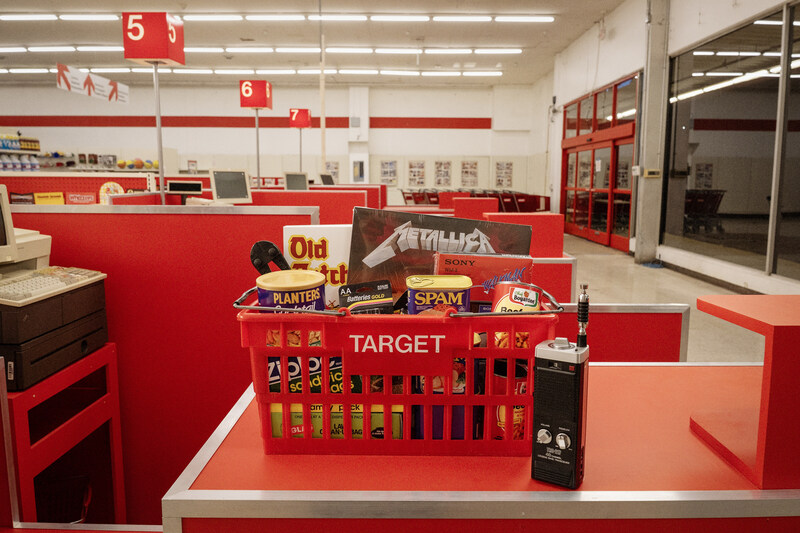
Swartz: It’s a great recognition of the work, the collaboration, the dedication, the strategic prowess of the team. To see them get that recognition makes me feel so good having helped build the team for the last 10 years. The internal team knows the brand, knows how to connect with consumers, fans, our guests. When I look at the work, one thing that stands out is our ‘Stranger Things’ work — so ‘One Strange Target Run.’ That’s a good epitome of the kind of work that we do when we build something from the ground up as fans of a product, a brand, whatever it might be.
That one came to life as an awesome collaboration with the Netflix team. In order to bring that to life, we brought them into our own house, took them through the archives and gave them the trust and understanding that we could recreate a 1987 Target that would have existed in Hawkins, Indiana. By doing that, they gave us the access to storytelling and Duffer Brothers and getting Easter Eggs. That then became part of the content that we created that connected with fans. We built the team from Stranger Things fans and that shows in the work.
Chief Marketer: Can you kind of share a little bit about the impact of that campaign and maybe just your team in general?
Swartz: Most of that with social content and putting that kind of production value and effort and timing behind social content isn’t always the way that people want to consume social content, but when the content is right and it’s built for fans, it really resonates.
The engagement level of that work, the connection, the reach and earned media coverage and things that it brought us helps to solve the business problem, which was driving traffic to Target for our exclusive Stranger Things product. So not only did it create a conversation and resonate in the cultural conversation of the final season, but it made people aware of a special offering that only existed in the Target Ecosystem.
To the benefit of the team, working on something like that, that has been a cultural phenomenon for over a decade, that’s a rewarding and thrilling, fun creative project for any creative team to sink their teeth into and be able to work on. Because the director and the production designers and all the effects team were the same team as the show, that’s fun access in creation that creative people dream of working on. That’s the stuff that fuels the team and keeps them engaged. That’s why people on this team have been with us for so long because of the access and the kinds of work that they’re able to create.
Chief Marketer: Did see those results with that exclusive merchandise?
Swartz: Yes, definitely. [Target later followed-up via email that the Stranger Things 5 YouTube content was its most-engaged with campaign of the year. The content received more views combined than anything else the Target channel posted last year.]
Chief Marketer: What are some other notable highlights?
Swartz: Our holiday work. One of the things that we do an impeccable job at is creating worlds. We created an entire holiday world around some characters: the Get Ready Yeti, our Buttons Gingerbread and a Trio of Mice that began as the store experience. The story that we were telling as a consumer entered the store and walked through the store, but they also became the external expression of everything we created in content. So world building that influences the physical experience, the digital experience, all of the content and campaign assets, is a highlight of what this team is just top notch at.
Another thing that I would highlight would be the Woolrich collaboration. Our collaborations team sits within creative as well. When we start a conversation with a brand like Woolrich, who also has their own deep heritage, we’re in that conversation from the beginning to getting a business together, but then also all the way through the end of getting it out in the world and creating a great experience. That’s a good example of style, design and value being driven by this team through the content and understanding the duality of what happens when our brand and another brand comes together to do something unique that is only available through the access of Target.
Chief Marketer: How big is your internal team?
Swartz: The internal U.S. team is about 400 people and 198 of those folks are on my creative direction team. We’re really a full-fledged internal agency.
Chief Marketer: I’ve heard the benefits of having an internal team is you can move much faster to get your ideas out there and to test quickly. What are some of the other benefits that you see as opposed to working with outside agencies?
Swartz: The biggest asset is nobody knows the brand better than the team themselves. They know the brand in their soul. They know what’s right and wrong just by gut instinct. And they also know how to move the brand forward to remain culturally relevant in a way that an outside partner doesn’t necessarily have the same instinctual connection. To me that is always the biggest benefit to the in-house team working on the work.
The unique thing about the way we work, even when we work with internal partners — my team, the internal Target creative team — is deeply embedded in those relationships, too. So we bring a little bit of that even to external relationships.
Chief Marketer: How so?
Swartz: Even when one of our main agencies is working on a major campaign, my creative directors are involved from beginning to end, from concepts to full creative production of whatever the content output is. They’re there to bring that intuitive instinct about the brand to the work in a way that the agency might not have in the team.
Chief Marketer: I’ve heard one of the drawbacks of an internal team is that it’s just more expensive with the overhead. Would you agree with that?
Swartz: I wouldn’t agree with that. I think it depends. There’s benefits both ways.
Chief Marketer: Any advice you have for other in-house retail agencies?
Swartz: A couple things come to mind. Trusting your team. If your team has a passion for something, finding the people that have the passion for the topic, the business problem, whatever you’re solving and bringing them into the mix always serves the output the best. People want to solve problems that they are passionate about. That is something that our team does over and over again.
Having a clear brand point of view and centering everything in a true idea that you can have in a box to decide whether something is right or wrong. If it isn’t in the box, if it isn’t at the center of the idea — even if it’s the coolest thing you’ve ever seen or heard of, it’s probably not something you should do because it’s not serving the problem you’ve decided to solve in the way you decided to solve it.
This interview has been edited for length and clarity.