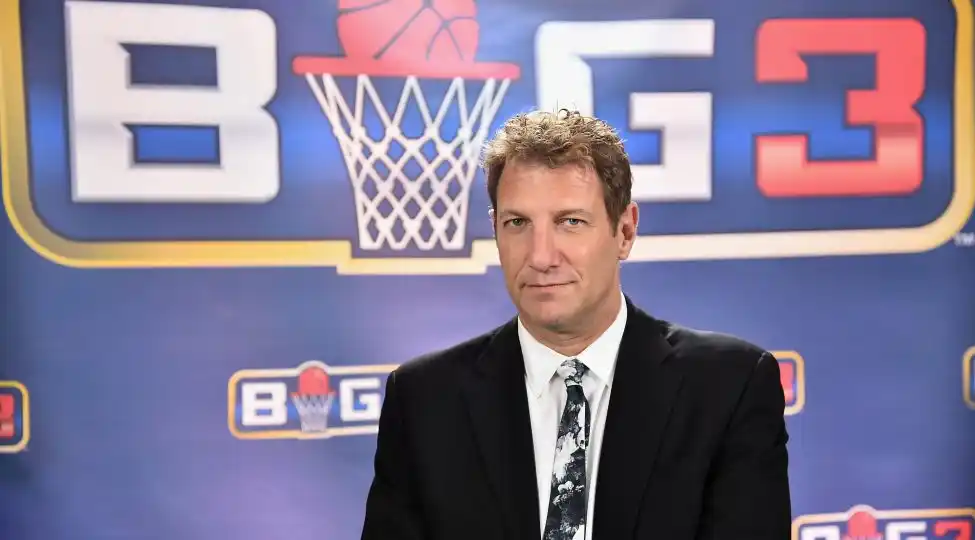
After nine seasons, the BIG3 is primetime on BET, streaming on Fubo, and headed to the public markets — and co-founder Jeff Kwatinetz says the league’s culturally driven identity is exactly what today’s advertisers are looking for.
Chief Marketer: BIG3 now has a primetime deal with BET on Monday nights. How does primetime change your marketing strategy and the types of advertisers you’re able to attract?
Jeff Kwatinetz: During the CBS live broadcasts on weekends, we’ve increased ratings each year and this season, they’ve been up year-over-year each week. Our ratings are much higher than the other emerging leagues and are even bigger than the NHL and MLS. Primetime is a way to reach different viewers who don’t like to be indoors on the weekends. Going to BET on Monday nights allows us access to reach a different set of viewers and adds to our overall exposure.
The advertisers really aren’t different. On CBS, it’s the typical sports advertisers and our sponsors. BET sells the ads on Monday nights, but I believe they do it more run of schedule than individual to us.
CM: BIG3 has always positioned itself as a culturally driven league — built around identity, not just athletics. How intentional was that brand-building work in making the league attractive to public market investors?
JK: From day one, we built BIG3 around culture because that’s where modern fandom actually lives. Basketball is the entry point, but identity, community, and storytelling are what keep people engaged. We knew that if BIG3 was going to stand out in a crowded sports landscape, it had to feel authentic to the players, the cities, and the fans who show up for more than just a game.
That cultural foundation has become one of our strongest assets as we enter the public markets. Investors today aren’t just looking for leagues with good basketball; they’re looking for sports properties that travel across platforms, demographics, and geographies. Culture is what gives BIG3 that portability. It’s why our audience skews younger, more diverse, and more digitally engaged than more established leagues.
Advertisers see the same thing. They want environments where fans are emotionally invested, not passively watching. BIG3’s identity‑driven brand including the teams, the personalities, the music, the community, creates a level of engagement that sponsors and investors immediately understand. So yes, it was intentional. But more importantly, it’s become a real competitive advantage.
CM: Fubo Sports Network is streaming 16 live games this season on a free ad-supported platform. How do you think about the tradeoff between free, wide-reach streaming and premium, paid distribution?
JK: We may be in our ninth season, but as leagues go, we’re neophytes and are still in the growth phase of increasing exposure and finding new fans who have just heard about the BIG3 but haven’t experienced it yet. Therefore, we really look at free being a much better model so we can introduce new people to the sport rather than just monetizing people who are already believers.
CM: CBS, BET — how do you decide which games go where, and what does a truly national media rights deal look like for BIG3 in three years?
JK: We try to have the best games on CBS since it’s our widest distribution and BET reruns those games. But the truth is, until the games play, we never really know which are the best games. The league is super competitive, and all players compete. Our players treat every regular season game like a playoff game because it’s a short season and every game is meaningful. It’s the competition that we think separates us from other sports.
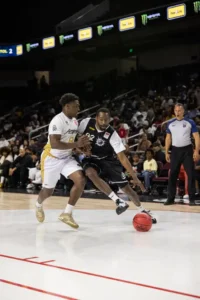 CM: You’ve allowed trash talk, emphasized defense, and created the 4-point shot. What’s the next rules innovation you’re considering?
JK: There isn’t a specific rule we’re considering right now, but we’re always open-minded. We have the luxury of having great Hall of Fame players as our coaches and Clyde Drexler as our commissioner. We have people who really understand basketball and can riff with us about ways to improve the game. A big part of our success is that the rules have created such a competitive and exciting environment with no garbage minutes, so players give 100% throughout the game. Right now, we’re happy with how the rules are working and we don’t have any weakness we’re concerned about.
CM: You came from the entertainment industry — managing acts like Linkin Park and The Backstreet Boys. What did that world teach you about building a product people are emotionally invested in?
JK: Working with numerous bands, actors and films have taught me what the younger generation is looking for. I think that’s why we deliver such good ratings in younger and more diverse demos than most leagues experience.
CM: Nine seasons in, what’s the biggest mistake you made in the early years that you’d do differently?
JK: We underestimated the amount of capital a new league requires. The failure rate of leagues is in the 90 percentile. Battling through the financial challenges proved to be a lot harder than we expected but now we’ve reached our inflection point where the BIG3 is poised to become highly profitable. It took longer than we imagined, even though everybody told us starting a league is one of the most challenging things you could do as an entrepreneur.
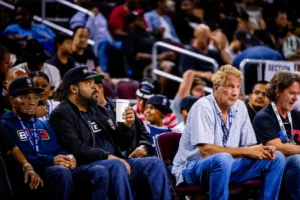
CM: Ice Cube is the face of BIG3. How do you think about the league’s identity and durability if his involvement ever changes?
JK: Ice Cube is the face of the BIG3. I believe the success of the league is based on the product itself and how competitive the games are. People aren’t tuning into CBS five or six times the rate of all the other emerging leagues to see Ice Cube sitting courtside. They’re watching it because they love the game. The hardest thing about creating a new sport is getting fans and players to care. There’s no greater proof than LIV Golf where even with $5 billion, they were only able to do one-fifth the ratings the BIG3 delivers. Ice Cube brings so much credibility, authenticity and passion to the league. I doubt his involvement will ever change. This has become his priority and legacy.
CM: The ticker symbol will be “TONT,” a nod to three-on-three. That’s a deliberate brand choice embedded in the financial instrument itself. How much did you think about the story that tells — and was there ever a version of this where BIG3 just blended into a holding company identity?
JK: We thought about it a lot. Going public isn’t just a financial transaction rather it’s a storytelling moment. The ticker symbol is the first thing many investors will see, and we wanted it to reflect exactly who we are. “TONT” is a direct connection to three‑on‑three basketball, but it’s also a signal that BIG3 isn’t trying to hide inside a holding company or dilute its identity to fit a traditional mold.
There was never a version of this where the BIG3 blended into something generic. Our league has always been unapologetically itself by being culturally driven, innovative, and built around a format that’s faster, more accessible, and more global than five‑on‑five. The ticker symbol reinforces that. It tells investors, advertisers, and partners that BIG3 is leaning into what makes it unique, not running away from it.
In a world where sports properties often get absorbed into larger corporate structures, we wanted the BIG3 to stand out. “TONT” is a small detail with a big message: this league knows exactly what it is, and we’re bringing that identity with us into the public markets.